Data-driven storytelling: Why the story behind the numbers matters
In most organizations, data is not the problem. Real-time dashboards glow in meeting rooms, survey results stack up in inboxes, and someone is always gathering raw data or working on a new report. Yet business cases still get parked for ‘next year’ or cut down to something safer and smaller.
The issue is not a lack of data. It is that numbers alone rarely move people. Executives are flooded with graphs, charts and scorecards, but only some business cases cut through the noise, build confidence and win sustained support.
That is where storytelling comes in. When data is woven into a clear, human story, leaders do not just understand the case; they remember it, feel it and act on it.
DWG’s latest research report, Data-driven decision making meets storytelling: Business cases that convince, explores how to achieve this balance. It shows how digital workplace leaders can pair rigorous evidence with compelling narratives to build effective business cases that not only get approved but also stay credible over time. The report combines storytelling fundamentals, practical data guidance and real-world examples into a repeatable playbook for turning ideas into decisions.
The message is clear: in a world awash with metrics, it is the story behind the numbers that wins support, provided the evidence is solid.
What is data-driven storytelling?
Data-driven storytelling is more than data visualization. It is the deliberate combination of narrative structure, meaningful data and human impact.
Narrative structure when building a business case gives it a beginning, middle and end so stakeholders can follow the logic. Meaningful data answers questions decision makers actually have, rather than showcasing everything that can be measured. Human impact shows what the numbers mean for real people in their day-to-day work.
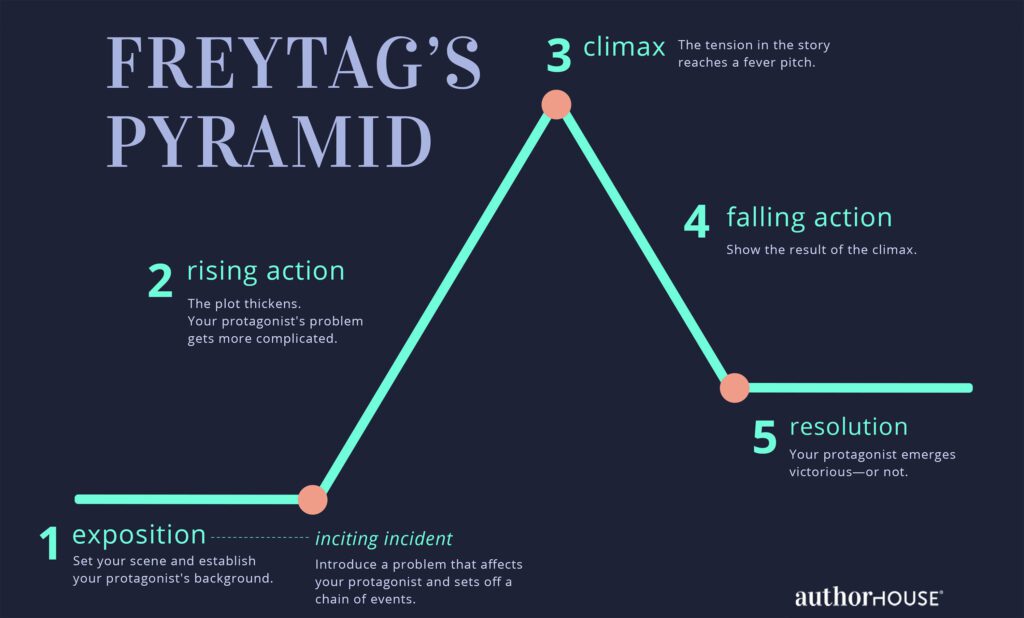
The research uses Freytag’s Pyramid as a simple way to think about the lifecycle of a business case, from first framing to proving value. We meet the current state, feel the tension build as problems and stakes become clearer, hit a decision point, then move into implementation and benefits realization.
Other familiar business frameworks, such as PMI’s SARIE model, Gartner’s ‘Three Whats’ and McKinsey’s SCR, help organize the story into sections leaders recognize, so recommendations are grounded in clear analysis and explicit trade-offs rather than instinct alone.
Put simply: story persuades, data convinces. When the two work together as a data-driven story, a business case becomes more than a justification document. It becomes a narrative leaders can stand behind.
The role of digital workplace teams
Digital workplace teams sit at a powerful intersection of technology, employee experience and organizational strategy. That makes them natural storytellers and stewards of the data that proves impact when creating a compelling business case.
Digital workplace teams are increasingly expected to define the exposition by clearly setting out the current state, root causes and human pain points behind issues like content sprawl, low findability or fragmented tools. They connect the dots across HR, IT, Communications, Finance and Legal to build a shared picture of the problem rather than a set of disconnected views.
They also shape the rising action. That means moving from insight to recommendation, showing why a particular solution, platform or roadmap is the right response, and what will happen if the organization chooses not to act. Once a case is approved, digital workplace teams often lead on measurement and governance, defining key performance indicators (KPIs), baselines and operating rhythms that keep the story honest over time.
The research highlights that executives rarely say ‘no’ to ideas purely on merit. More often they say ‘not yet’ when the case feels incomplete, risky or hard to measure. Teams that can tell a clear story and back it up with trustworthy evidence are better placed to secure buy in and keep it.
What happens when story and data work together?
When organizations get this right, the benefits go far beyond a single decision.
Combining storytelling with analytics can speed up decisions because leaders see the problem, options and trade-offs in a single, coherent narrative instead of having to interpret scattered slides. It helps build confidence in digital workplace investments by tying employee experience improvements directly to outcomes such as productivity, cycle time or cost avoidance. It also strengthens stakeholder relationships as Legal, Risk, HR and Finance see their concerns reflected and addressed, not bypassed.
Most importantly, it sustains momentum after launch. When the ‘resolution’ of the story includes a clear plan for measurement, governance and continuous improvement, leaders know how they will see progress and when to step in. A small, balanced set of KPIs connects activity, experience and outcomes, so measurement becomes part of the story rather than an afterthought.
Four steps to improving a digital workplace business case
So where should digital workplace teams focus when creating a business case that both convinces and endures?
First, start with exposition rather than features. Lead with the problem, not the platform. Use data from search logs, helpdesk cases, surveys and interviews to show how work feels today and what it costs in time, money and morale. Anchor this in the organization’s strategic priorities, not only in digital workplace goals.
Second, turn root causes into a clear recommendation. In the rising action of the story, move logically from insight to options to a preferred solution. Combine quantified benefits, qualitative evidence and appropriate external validation, but keep the thread simple enough that someone can retell it after the meeting.
Third, make the climax unmistakable. A strong business case builds toward a clear decision point, where leaders understand the choice in front of them and the consequences of acting now versus delaying. This is where the narrative and the data intersect most directly, showing the cost of inaction alongside the opportunity created by moving forward.
Fourth, be explicit about change, risk and proof. In the falling action and resolution, spell out the journey ahead, the role of change management and how you will manage risk. Preview an executive scorecard in the business case so leaders know exactly what they will see after approval and how often. This makes it easier for them to say ‘yes’ now and stay engaged later.
The research also flags familiar pitfalls such as overusing vanity metrics, converting time saved into speculative dollar amounts and presenting dashboards without a clear ‘so what’. By sidestepping these traps, digital workplace teams can keep both their narrative and their numbers credible.
Writing the next chapter
In the end, every business case is a story about change: where we are today, where we could be tomorrow and what it will take to get there. Effective data storytelling comes down to two questions: Is the story clear, human and strategically relevant? Is the evidence focused, trustworthy and easy to act on?
Data-driven decision making meets storytelling: Business cases that convince offers a practical roadmap for answering ‘yes’ to both. It invites digital workplace leaders to think like storytellers and analysts at the same time, shaping narratives that executives remember and building measurement systems that keep those narratives honest over time.
As organizations continue to invest in AI, collaboration tools and new employee experiences, the stakes for strong business cases will only rise. The teams that succeed will be those who can do more than surface insights. They will be able to turn those insights into stories leaders can act on and then prove, quarter after quarter, that the promised value is becoming reality.
Download the free research excerpt
For more insights on how data-driven storytelling can enhance your next business case, download a free excerpt of our research.
DWG members can access the full research via the extranet.
For more digital workplace resources, DWG members have full access to this research, as well as exclusive articles, events, peer insights and a Research Library of 100+ reports covering key areas such as digital employee experience, AI readiness, strategy and governance, knowledge management, digital workplace transformation, change management, and more.
Contact us to learn how to gain access to this library via DWG membership.
Reference: 1AuthorHouse. How to plan your book: Taking your book from idea to manuscript. AuthorHouse guide (www.authorhouse.com/en/how-to-plan-your-book, accessed Sep 2025).
Categorised in: → Digital workplace business case, → Metrics and measurement, Digital employee experience