AI CEO
A practical guide
As technology rapidly evolves, so too does the nature of leadership. One of the most transformative developments is the rise of the AI CEO, an artificial intelligence (AI) system designed to fulfil the role of a traditional chief executive. But what exactly is an AI CEO and why is this concept gaining momentum now? Whether you're a business leader exploring AI’s impact on management, a tech enthusiast intrigued by its possibilities, or a policy-maker weighing regulatory concerns, this comprehensive guide offers key insights into the new era of executive leadership
What is an AI CEO?
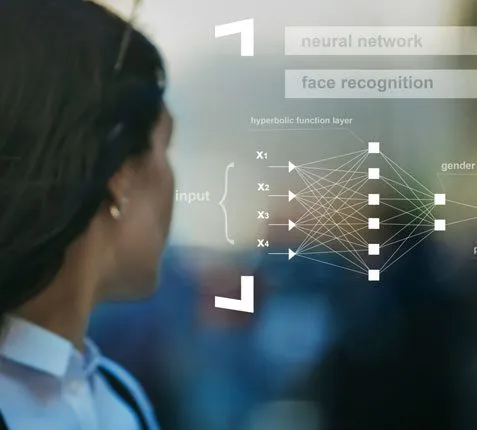
An AI CEO is a highly advanced artificial intelligence system engineered to carry out executive-level responsibilities that have traditionally been managed by a human chief executive. Unlike human Chief Executive Officers (CEOs), who depend on experience, intuition and judgment, an AI CEO processes vast amounts of data, detects patterns and makes decisions based on algorithmic insights. It can manage operations, allocate resources, shape strategy and communicate with stakeholders through automated tools. While still in its early stages, the AI CEO represents a major shift towards data-driven, efficient and potentially more objective corporate leadership.
Distinction between AI-assisted CEOs vs fully autonomous AI CEOs
It’s important to differentiate between two models of AI integration in leadership:
- AI-assisted CEOs: In this model, human CEOs leverage AI tools to enhance their decision making. AI provides data insights, scenario analysis and operational support, but the final strategic judgment and interpersonal leadership remain human-led. This collaborative approach combines human intuition with AI’s analytical power.
- Fully autonomous AI CEOs: This futuristic concept envisions AI systems making executive decisions independently, without human oversight. While experimental AI CEOs may exist in controlled environments or simulations, fully autonomous AI leadership raises complex ethical, legal and practical concerns. Trust, accountability and the capacity for nuanced leadership are major hurdles before such a model becomes mainstream.
In essence, the current and near-future landscape favours AI as a powerful assistant to human CEOs rather than as a replacement. The synergy between human judgement and AI’s computational strengths may redefine leadership effectiveness in the years ahead.

The rise of AI in corporate leadership
In recent years, artificial intelligence has evolved from a behind-the-scenes technology into a central force in organizational decision making. As companies face mounting complexity, the need for real-time insights and increasing demands for agility, means AI is being designed not just to assist, but to augment and in some cases replace traditional leadership roles.
Thanks to rapid advances in machine learning, natural language processing and big data analytics, AI systems are no longer merely tools; they are emerging as strategic collaborators. From intelligent assistants that inform executive decisions to fully autonomous AI CEOs, the integration of AI into corporate leadership marks a fundamental shift in how organizations function and make high-stakes choices.
This evolution reflects a growing belief that algorithmic leadership can drive efficiency, reduce bias and unlock unprecedented levels of insight. Although challenges around ethics, transparency and accountability remain, the trajectory is clear: AI is reshaping the future of corporate governance. In this context, AI offers a powerful value proposition, an always-on, data-driven ‘mind’ capable of analysing complex scenarios, optimizing resource use and even engaging with stakeholders through natural language interfaces. The idea of an AI CEO is no longer theoretical, it’s already becoming a reality.
A historical overview of the AI CEOThe integration of artificial intelligence into corporate leadership has evolved steadily over the past several decades. It began in the 1970s and 1980s with decision support systems (DSS), which provided executives with structured reports and predictive models based on static data. Around the same time, expert systems emerged, allowing machines to mimic human reasoning within specific domains and laying the foundations for more advanced AI-driven decision making.
As technology progressed into the 2000s, advancements in machine learning and big data analytics enabled AI to analyse vast amounts of information, uncover complex patterns and support leaders in strategic planning, risk management and operational optimization. This marked a significant expansion of AI’s role from simple data presentation to more insightful assistance.
The following decade brought even greater sophistication, with breakthroughs in natural language processing and reinforcement learning. AI systems evolved to not only interpret and learn from data but also to simulate potential outcomes, detect anomalies and offer strategic recommendations – capabilities that began to challenge traditional leadership boundaries.
Today, we find ourselves on the cusp of a new era, where AI takes on increasingly autonomous leadership functions. Modern AI platforms can make high-level decisions, track key performance indicators and even coordinate teams through integrated enterprise systems. While fully autonomous AI CEOs remain experimental and subject to debate, hybrid models combining human judgement with AI’s analytical power are gaining traction across industries. This ongoing transformation signals a profound shift in corporate governance, from AI as a support tool to a vital strategic partner shaping the future of leadership.

Why AI CEOs are emerging now
The rise of AI CEOs is driven by a powerful intersection of technological progress and evolving business demands. Advances in machine learning, natural language processing and data analytics have dramatically improved AI’s ability to navigate complex business environments, make strategic decisions and adapt in real time. These capabilities now allow AI to move beyond support roles and take on leadership responsibilities.
At the same time, companies face growing pressure to be faster, more efficient and data-driven in an unpredictable global market. The explosion of real-time data sourced from customers, operations and market trends presents both opportunities and challenges. AI excels at processing this data at scale, uncovering insights that inform agile, proactive decision-making.
Other contributing factors include the demand for rapid, fatigue-free decision making; the high cost and limited availability of top human executives; and growing trust in AI as a reliable component of business operations. As organizations become more comfortable relying on AI for complex tasks, the idea of AI occupying executive leadership roles is gaining traction. Together, these trends are creating the right conditions for AI CEOs to emerge, signaling a potential shift in how leadership is defined and delivered in the digital age.
The role of a CEO and how AI fits in
The role of a Chief Executive Officer is multifaceted, requiring strategic vision, decisive leadership and effective stakeholder management. CEOs navigate complex challenges by balancing short-term operational demands with long-term growth goals, motivating teams, allocating resources and representing the organization to investors, customers and the public.
Integrating AI into this role represents a transformative shift, enhancing human capabilities rather than replacing them. AI serves as a powerful tool that supports executives by delivering data-driven insights, automating routine tasks and enabling more informed decisions, while human judgment remains essential for vision, creativity and ethical considerations.
While AI cannot yet replicate uniquely human traits like intuition, empathy and ethical judgment, it significantly expands the CEO’s toolkit, transforming how leadership decisions are made and executed. As AI technology advances, its role is likely to evolve from supportive advisor to active participant in executive decision-making, fundamentally reshaping the future of corporate leadership.
Benefits and opportunities created by the AI CEO
Increased efficiency and consistency
A key advantage of an AI CEO lies in its capacity to function with exceptional efficiency and consistency. Unlike human leaders, AI systems are immune to fatigue, emotional fluctuations and cognitive biases that can affect decision making. This allows for uninterrupted, streamlined processes that sustain high performance even under pressure. Activities like data analysis, forecasting and resource distribution are carried out quickly and reliably, reducing mistakes and delays while enabling human executives to concentrate on strategic vision and innovation.
Reduced bias in decision making
One of AI’s most compelling advantages in corporate leadership is its potential to minimize bias in decision making. By basing choices on data-driven algorithms instead of subjective human judgement, an AI CEO can ideally make more objective decisions, free from favouritism, prejudice or emotional sway. This can promote fairer hiring, balanced resource allocation and impartial assessment of risks and opportunities. However, it’s crucial to acknowledge that AI systems are only as unbiased as the data and programming behind them, making ongoing oversight and the use of diverse, representative datasets essential to reduce algorithmic bias.
Scalability and 24/7 operation
An AI CEO can expand operational capacity beyond the physical and cognitive constraints of human leaders. It can oversee numerous business units, markets and data streams simultaneously across different regions and time zones, delivering real-time analysis and decision making. Additionally, its ability to operate 24/7 enables organizations to react instantly to market shifts, customer needs or emergencies, regardless of time differences. This nonstop functionality provides a powerful competitive advantage in today’s rapidly evolving global marketplace.
Enhanced data utilization
Today’s businesses produce vast amounts of data, much of which goes underused because humans can struggle to process it quickly and manage its complexity. An AI CEO taps into this rich data reservoir by combining both structured and unstructured sources to uncover valuable insights. It detects hidden trends, customer behaviours, operational inefficiencies and potential risks, transforming raw data into strategic advantages. This deeper data utilization supports smarter decision making, refined strategies and rapid adaptation to changing market conditions.
AI CEO risks and challenges
Introducing an AI CEO brings a host of complex challenges, with accountability and liability chief among them. Since AI lacks legal personhood and cannot be held responsible for its actions, it remains unclear who bears the consequences when AI-driven decisions lead to financial losses, regulatory breaches, or reputational damage. This uncertainty highlights the urgent need for clear governance frameworks and robust oversight to ensure accountability in AI-led leadership.
Ethical and moral reasoning presents another significant challenge. While AI is adept at processing large volumes of data and generating insights, it lacks the human sensitivity required for decisions involving fairness, social impact and corporate responsibility. Without ethical intuition, AI may make choices that clash with societal norms or organizational values. This makes hybrid models (where AI’s capabilities are balanced with human judgment) essential for effective leadership.
Data privacy and security are also major concerns. AI CEOs require access to vast amounts of sensitive data, including personal, financial and proprietary information. Protecting this data from breaches or misuse is critical, as any lapse can result in legal consequences, competitive disadvantages and erosion of stakeholder trust. Strong cybersecurity protocols, regulatory compliance (such as with GDPR) and secure AI system design are therefore non-negotiable.
Beyond technical risks, the presence of an AI CEO can impact company culture and workforce morale. Employees may feel threatened by automation or disconnected from decisions that appear purely algorithmic. To address these concerns, organizations must engage in transparent communication, invest in retraining programs and lead thoughtful change management efforts to build trust and foster collaboration between human employees and AI systems.
Finally, the legal and regulatory environment for AI in leadership is still evolving. Key issues such as decision-making accountability, data ownership and transparency remain legally ambiguous and vary across jurisdictions. Organizations adopting AI in executive roles must stay informed, act cautiously and adopt best practices to minimize legal exposure and ensure responsible innovation.
Practical tips for CEOs exploring AI for the first time
Integrating AI into executive decision making doesn't require an all-or-nothing approach. Whether you're a seasoned CEO or a startup founder, the journey towards AI-enhanced leadership can start incrementally. Below are key tips to help CEOs take their first meaningful steps into AI adoption.
1. Start with a strategic use case
Rather than attempting to ‘AI everything’, begin with a focused application where AI can provide immediate value such as sales forecasting, customer segmentation or operational efficiency. Choose a problem that's data-rich, well-defined and tied to clear business outcomes. Success in a single domain builds trust and internal buy-in.
2. Invest in data quality and governance
AI is only as good as the data it’s fed. CEOs should champion efforts to improve data collection, integration and quality across the organization. Establish clear data governance policies, including ethical guidelines, access controls and privacy safeguards. A clean and trustworthy data foundation is essential for scalable AI.
3. Work closely with cross-functional teams
AI should not live in a silo. Involve leaders from IT, operations, finance, HR and legal to ensure AI initiatives align with business priorities and are implemented responsibly. Encourage collaboration between technical experts and business units to bridge the gap between AI capabilities and real-world needs.
4. Upskill leadership and promote AI literacy
For AI to become part of the strategic fabric, leaders across the organization (including the CEO) must understand its principles, limitations and ethical implications. Consider hosting executive briefings, attending AI workshops or engaging with consultants to build foundational literacy. This helps CEOs make informed decisions and set realistic expectations.
5. Experiment with AI-augmented tools
Try out AI-powered platforms for decision support, communication or analytics, such as predictive dashboards, generative AI assistants or natural language summarizers. These tools can help CEOs experience the value of AI first-hand and identify new opportunities for automation or augmentation.
6. Start small, scale wisely
Avoid over-investing upfront. Pilot small projects, measure their impact and iterate based on results. Use early wins to build a roadmap for broader AI integration, keeping scalability and long-term goals in view. This reduces risk and keeps initiatives aligned with business growth.
7. Embrace ethical leadership
Set the tone from the top by embedding ethics into your AI strategy. This includes establishing AI principles around fairness, transparency, explainability and accountability. As CEO, you play a critical role in shaping how AI impacts your employees, customers and society at large.
Future outlook
Artificial intelligence is rapidly transforming the landscape of corporate leadership. The traditional CEO role (once grounded primarily in human intuition and experience) is now being augmented by intelligent systems capable of real-time data analysis and strategic insight. As these technologies advance, AI is evolving from a supportive tool to a strategic partner, enhancing decision-making speed and precision. In time, AI could assume greater autonomy in managing complex operations, allowing human leaders to focus on vision, ethics and cultural stewardship.
This transformation is also prompting a rethinking of governance structures. Concepts like AI-powered board members and AI-led enterprises are gaining serious attention, challenging long-standing norms of oversight, fiduciary duty and accountability. While AI offers the promise of objectivity, transparency and operational efficiency, it also introduces new ethical and legal uncertainties. Early experiments by pioneering organizations suggest that AI-driven governance is no longer theoretical, it is becoming an emerging reality.
The implications of this shift extend well beyond corporate performance. As AI assumes more leadership functions, society must grapple with fundamental questions about trust, authority and human values. Ensuring that AI systems align with principles like fairness, responsibility and social equity is critical. Successfully navigating this transition will depend on maintaining a balance between innovation and the preservation of essential human qualities at the heart of leadership.
Final reflections on AI in executive leadership
The growing presence of AI in executive roles presents both significant opportunities and complex challenges. AI CEOs bring advantages such as operational efficiency, data-informed strategy and continuous performance, potentially redefining how organizations compete and evolve. Yet, these benefits must be weighed against critical concerns around accountability, privacy, ethics and workforce dynamics.
At present, hybrid leadership models (combining AI’s analytical power with human judgement) offer the most effective path forward. Rather than replacing human leaders, AI is reshaping leadership itself, encouraging collaboration between machine intelligence and human creativity, empathy and ethical reasoning. As organizations adapt, success will depend on transparent practices, strong governance frameworks and open dialogue about the broader societal impacts of AI. Embracing these principles will be key to ensuring AI's role in leadership is both responsible and sustainable.
For more digital workplace resources, DWG members have full access to exclusive articles, events, peer insights and a Research Library of 100+ reports covering key areas such as AI readiness, strategy and governance, digital employee experience, change management and more. Contact us to learn how to gain access to this library via DWG membership.
What is an AI CEO?
Distinction between AI-assisted CEOs vs fully autonomous AI CEOs
The rise of AI in corporate leadership
A historical overview of the AI CEO
Why AI CEOs are emerging now
The role of a CEO and how AI fits in
Benefits and opportunities created by the AI CEO
AI CEO risks and challenges in
Practical tips for CEOs exploring AI for the first time
Future outlook
Final reflections on AI in executive leadership
AI CEO resources
- View all AI CEO articles
- View all artificial intelligence and automation articles
- What the AI-first CEO knows
- The AI-first CEO: a new leadership archetype for a new age
- Seven ways digital workplace teams support the rollout of generative AI
- Generative AI: The catalyst for intelligent collaboration today and beyond
- Harnessing AI and self-reflection for continuous leadership development
- A new age of AI: Why readiness matters
- Remastering the infinite workday: Harnessing AI and the Frontier Firm approach for a better work–life balance
- The AI powered workplace: Insights from a Google data transformation expert
- AI readiness – a strategic imperative?
- Unlocking the power of generative AI, like ChatGPT, in the workplace
Access locked content
Our members enjoy unlimited access to a library of resources, reports and many more exclusive benefits. If you’d like to view more digital workplace articles like these, please consider becoming a member!
The integration of artificial intelligence into corporate leadership has evolved steadily over the past several decades. It began in the 1970s and 1980s with decision support systems (DSS), which provided executives with structured reports and predictive models based on static data. Around the same time, expert systems emerged, allowing machines to mimic human reasoning within specific domains and laying the foundations for more advanced AI-driven decision making.
As technology progressed into the 2000s, advancements in machine learning and big data analytics enabled AI to analyse vast amounts of information, uncover complex patterns and support leaders in strategic planning, risk management and operational optimization. This marked a significant expansion of AI’s role from simple data presentation to more insightful assistance.
The following decade brought even greater sophistication, with breakthroughs in natural language processing and reinforcement learning. AI systems evolved to not only interpret and learn from data but also to simulate potential outcomes, detect anomalies and offer strategic recommendations – capabilities that began to challenge traditional leadership boundaries.
Today, we find ourselves on the cusp of a new era, where AI takes on increasingly autonomous leadership functions. Modern AI platforms can make high-level decisions, track key performance indicators and even coordinate teams through integrated enterprise systems. While fully autonomous AI CEOs remain experimental and subject to debate, hybrid models combining human judgement with AI’s analytical power are gaining traction across industries. This ongoing transformation signals a profound shift in corporate governance, from AI as a support tool to a vital strategic partner shaping the future of leadership.

Why AI CEOs are emerging now
The rise of AI CEOs is driven by a powerful intersection of technological progress and evolving business demands. Advances in machine learning, natural language processing and data analytics have dramatically improved AI’s ability to navigate complex business environments, make strategic decisions and adapt in real time. These capabilities now allow AI to move beyond support roles and take on leadership responsibilities.
At the same time, companies face growing pressure to be faster, more efficient and data-driven in an unpredictable global market. The explosion of real-time data sourced from customers, operations and market trends presents both opportunities and challenges. AI excels at processing this data at scale, uncovering insights that inform agile, proactive decision-making.
Other contributing factors include the demand for rapid, fatigue-free decision making; the high cost and limited availability of top human executives; and growing trust in AI as a reliable component of business operations. As organizations become more comfortable relying on AI for complex tasks, the idea of AI occupying executive leadership roles is gaining traction. Together, these trends are creating the right conditions for AI CEOs to emerge, signaling a potential shift in how leadership is defined and delivered in the digital age.
The role of a CEO and how AI fits in
The role of a Chief Executive Officer is multifaceted, requiring strategic vision, decisive leadership and effective stakeholder management. CEOs navigate complex challenges by balancing short-term operational demands with long-term growth goals, motivating teams, allocating resources and representing the organization to investors, customers and the public.
Integrating AI into this role represents a transformative shift, enhancing human capabilities rather than replacing them. AI serves as a powerful tool that supports executives by delivering data-driven insights, automating routine tasks and enabling more informed decisions, while human judgment remains essential for vision, creativity and ethical considerations.
While AI cannot yet replicate uniquely human traits like intuition, empathy and ethical judgment, it significantly expands the CEO’s toolkit, transforming how leadership decisions are made and executed. As AI technology advances, its role is likely to evolve from supportive advisor to active participant in executive decision-making, fundamentally reshaping the future of corporate leadership.

Benefits and opportunities created by the AI CEO
Increased efficiency and consistency
A key advantage of an AI CEO lies in its capacity to function with exceptional efficiency and consistency. Unlike human leaders, AI systems are immune to fatigue, emotional fluctuations and cognitive biases that can affect decision making. This allows for uninterrupted, streamlined processes that sustain high performance even under pressure. Activities like data analysis, forecasting and resource distribution are carried out quickly and reliably, reducing mistakes and delays while enabling human executives to concentrate on strategic vision and innovation.
Reduced bias in decision making
One of AI’s most compelling advantages in corporate leadership is its potential to minimize bias in decision making. By basing choices on data-driven algorithms instead of subjective human judgement, an AI CEO can ideally make more objective decisions, free from favouritism, prejudice or emotional sway. This can promote fairer hiring, balanced resource allocation and impartial assessment of risks and opportunities. However, it’s crucial to acknowledge that AI systems are only as unbiased as the data and programming behind them, making ongoing oversight and the use of diverse, representative datasets essential to reduce algorithmic bias.
Scalability and 24/7 operation
An AI CEO can expand operational capacity beyond the physical and cognitive constraints of human leaders. It can oversee numerous business units, markets and data streams simultaneously across different regions and time zones, delivering real-time analysis and decision making. Additionally, its ability to operate 24/7 enables organizations to react instantly to market shifts, customer needs or emergencies, regardless of time differences. This nonstop functionality provides a powerful competitive advantage in today’s rapidly evolving global marketplace.
Enhanced data utilization
Today’s businesses produce vast amounts of data, much of which goes underused because humans can struggle to process it quickly and manage its complexity. An AI CEO taps into this rich data reservoir by combining both structured and unstructured sources to uncover valuable insights. It detects hidden trends, customer behaviours, operational inefficiencies and potential risks, transforming raw data into strategic advantages. This deeper data utilization supports smarter decision making, refined strategies and rapid adaptation to changing market conditions.
AI CEO risks and challenges
Introducing an AI CEO brings a host of complex challenges, with accountability and liability chief among them. Since AI lacks legal personhood and cannot be held responsible for its actions, it remains unclear who bears the consequences when AI-driven decisions lead to financial losses, regulatory breaches, or reputational damage. This uncertainty highlights the urgent need for clear governance frameworks and robust oversight to ensure accountability in AI-led leadership.
Ethical and moral reasoning presents another significant challenge. While AI is adept at processing large volumes of data and generating insights, it lacks the human sensitivity required for decisions involving fairness, social impact and corporate responsibility. Without ethical intuition, AI may make choices that clash with societal norms or organizational values. This makes hybrid models (where AI’s capabilities are balanced with human judgment) essential for effective leadership.
Data privacy and security are also major concerns. AI CEOs require access to vast amounts of sensitive data, including personal, financial and proprietary information. Protecting this data from breaches or misuse is critical, as any lapse can result in legal consequences, competitive disadvantages and erosion of stakeholder trust. Strong cybersecurity protocols, regulatory compliance (such as with GDPR) and secure AI system design are therefore non-negotiable.
Beyond technical risks, the presence of an AI CEO can impact company culture and workforce morale. Employees may feel threatened by automation or disconnected from decisions that appear purely algorithmic. To address these concerns, organizations must engage in transparent communication, invest in retraining programs and lead thoughtful change management efforts to build trust and foster collaboration between human employees and AI systems.
Finally, the legal and regulatory environment for AI in leadership is still evolving. Key issues such as decision-making accountability, data ownership and transparency remain legally ambiguous and vary across jurisdictions. Organizations adopting AI in executive roles must stay informed, act cautiously and adopt best practices to minimize legal exposure and ensure responsible innovation.

Practical tips for CEOs exploring AI for the first time
Integrating AI into executive decision making doesn't require an all-or-nothing approach. Whether you're a seasoned CEO or a startup founder, the journey towards AI-enhanced leadership can start incrementally. Below are key tips to help CEOs take their first meaningful steps into AI adoption.
1. Start with a strategic use case
Rather than attempting to ‘AI everything’, begin with a focused application where AI can provide immediate value such as sales forecasting, customer segmentation or operational efficiency. Choose a problem that's data-rich, well-defined and tied to clear business outcomes. Success in a single domain builds trust and internal buy-in.
2. Invest in data quality and governance
AI is only as good as the data it’s fed. CEOs should champion efforts to improve data collection, integration and quality across the organization. Establish clear data governance policies, including ethical guidelines, access controls and privacy safeguards. A clean and trustworthy data foundation is essential for scalable AI.
3. Work closely with cross-functional teams
AI should not live in a silo. Involve leaders from IT, operations, finance, HR and legal to ensure AI initiatives align with business priorities and are implemented responsibly. Encourage collaboration between technical experts and business units to bridge the gap between AI capabilities and real-world needs.
4. Upskill leadership and promote AI literacy
For AI to become part of the strategic fabric, leaders across the organization (including the CEO) must understand its principles, limitations and ethical implications. Consider hosting executive briefings, attending AI workshops or engaging with consultants to build foundational literacy. This helps CEOs make informed decisions and set realistic expectations.
5. Experiment with AI-augmented tools
Try out AI-powered platforms for decision support, communication or analytics, such as predictive dashboards, generative AI assistants or natural language summarizers. These tools can help CEOs experience the value of AI first-hand and identify new opportunities for automation or augmentation.
6. Start small, scale wisely
Avoid over-investing upfront. Pilot small projects, measure their impact and iterate based on results. Use early wins to build a roadmap for broader AI integration, keeping scalability and long-term goals in view. This reduces risk and keeps initiatives aligned with business growth.
7. Embrace ethical leadership
Set the tone from the top by embedding ethics into your AI strategy. This includes establishing AI principles around fairness, transparency, explainability and accountability. As CEO, you play a critical role in shaping how AI impacts your employees, customers and society at large.

Future outlook
Artificial intelligence is rapidly transforming the landscape of corporate leadership. The traditional CEO role (once grounded primarily in human intuition and experience) is now being augmented by intelligent systems capable of real-time data analysis and strategic insight. As these technologies advance, AI is evolving from a supportive tool to a strategic partner, enhancing decision-making speed and precision. In time, AI could assume greater autonomy in managing complex operations, allowing human leaders to focus on vision, ethics and cultural stewardship.
This transformation is also prompting a rethinking of governance structures. Concepts like AI-powered board members and AI-led enterprises are gaining serious attention, challenging long-standing norms of oversight, fiduciary duty and accountability. While AI offers the promise of objectivity, transparency and operational efficiency, it also introduces new ethical and legal uncertainties. Early experiments by pioneering organizations suggest that AI-driven governance is no longer theoretical, it is becoming an emerging reality.
The implications of this shift extend well beyond corporate performance. As AI assumes more leadership functions, society must grapple with fundamental questions about trust, authority and human values. Ensuring that AI systems align with principles like fairness, responsibility and social equity is critical. Successfully navigating this transition will depend on maintaining a balance between innovation and the preservation of essential human qualities at the heart of leadership.
Final reflections on AI in executive leadership
The growing presence of AI in executive roles presents both significant opportunities and complex challenges. AI CEOs bring advantages such as operational efficiency, data-informed strategy and continuous performance, potentially redefining how organizations compete and evolve. Yet, these benefits must be weighed against critical concerns around accountability, privacy, ethics and workforce dynamics.
At present, hybrid leadership models (combining AI’s analytical power with human judgement) offer the most effective path forward. Rather than replacing human leaders, AI is reshaping leadership itself, encouraging collaboration between machine intelligence and human creativity, empathy and ethical reasoning. As organizations adapt, success will depend on transparent practices, strong governance frameworks and open dialogue about the broader societal impacts of AI. Embracing these principles will be key to ensuring AI's role in leadership is both responsible and sustainable.
For more digital workplace resources, DWG members have full access to exclusive articles, events, peer insights and a Research Library of 100+ reports covering key areas such as AI readiness, strategy and governance, digital employee experience, change management and more. Contact us to learn how to gain access to this library via DWG membership.

Distinction between AI-assisted CEOs vs fully autonomous AI CEOs
The rise of AI in corporate leadership
A historical overview of the AI CEO
Why AI CEOs are emerging now
The role of a CEO and how AI fits in
Benefits and opportunities created by the AI CEO
AI CEO risks and challenges in
Practical tips for CEOs exploring AI for the first time
Future outlook
Final reflections on AI in executive leadership
AI CEO resources
- View all AI CEO articles
- View all artificial intelligence and automation articles
- What the AI-first CEO knows
- The AI-first CEO: a new leadership archetype for a new age
- Seven ways digital workplace teams support the rollout of generative AI
- Generative AI: The catalyst for intelligent collaboration today and beyond
- Harnessing AI and self-reflection for continuous leadership development
- A new age of AI: Why readiness matters
- Remastering the infinite workday: Harnessing AI and the Frontier Firm approach for a better work–life balance
- The AI powered workplace: Insights from a Google data transformation expert
- AI readiness – a strategic imperative?
- Unlocking the power of generative AI, like ChatGPT, in the workplace
Access locked content

Our members enjoy unlimited access to a library of resources, reports and many more exclusive benefits. If you’d like to view more digital workplace articles like these, please consider becoming a member!