Enquire about consultancy
Book a free one-to-one consultation to review the current state of your digital workplace and discover how DWG expert guidance can help you move forward with confidence.
For this Digital Workplace Impact episode, Dean Possenniskie, Hearst Networks' Managing Director EMEA, joins Nancy Goebel to discuss the company’s change journey.
In recent years, Hearst Networks has transformed from a more traditional background into a diversified media company, leading in the genres of history and true crime. For this Digital Workplace Impact episode, Dean Possenniskie, Hearst Networks' Managing Director EMEA, joins Nancy Goebel to discuss the company’s change journey.
Dean sets out the importance of values, purpose and adaptability in a world of changing marketplaces and new opportunities presented by AI. And if clarity is the new social currency of enterprises, then culture, leadership and purpose become even more important in helping colleagues to navigate today’s world.
This great conversation uncovers more about the company's commitment to storytelling and employee engagement. Together, Nancy and Dean examine the integration of AI in all aspects of the business including the employee experience – and Dean is encouraging that with AI you really can win and learn.
Like many organizations, Hearst is managing the new dichotomy that AI is ever more present and yet the hunger for in-person collaboration is still very real.
So, for a story of change, growth and impact involving great people and new technologies, join Nancy and Dean, and listen now.
Episode 157: Hearst Networks’ approach to building change agility with purpose
[00:00:00.520] – Dean Possenniskie
We have three company values in three words. They are curiosity, they are courage, and they are care. They are our three values in our company. And curiosity is what drives us to question, to explore and innovate. Courage, we talk to courage as showing up as your true self with confidence in heart, and really importantly, even when the road ahead is uncertain. And finally, care is part of everything we do. It’s how we treat each other. It’s how we approach our work. It’s how we connect with our partners and the world.
[00:00:36.800] – Nancy Goebel
In this episode of Digital Workplace Impact, Dean Possenniskie, Managing Director in EMEA, discusses the transformation journey of Hearst Networks. Among the things that he emphasizes are the importance of culture, leadership, and adaptability in navigating change. He also shares the company’s commitment to storytelling, employee engagement, and the integration of AI in all aspects of the business, including the employee experience. Finally, Dean shares insights on how Hearst Networks fosters a collaborative environment while embracing new technologies as a way of ensuring that their purpose remains at the forefront of their mission. This is Nancy Goebel, your host and DWG’s Chief Executive. Digital Workplace Impact is brought to you by Digital Workplace Group. Join me now in conversation with Dean. Happy listening.
[00:01:38.100] – Nancy Goebel
Dean, I am just delighted to welcome you to the Digital Workplace Impact podcast studio. From time to time, I have an opportunity to have fascinating conversations with members of the DWG team, with industry thought leaders, and of course, senior leaders who are practitioners with a focus around culture, transformation, and the digital workplace, of course. And so through a series of twists and turns, we came into conversation and I think it’s always important to understand where someone has come from, and you’re someone who has a real passion for culture and transformation.
[00:02:28.140] – Nancy Goebel
And would love to hear just a little a little bit about what brought you to that as a priority, a focus, a passion as part of your wider career.
[00:02:39.960] – Dean Possenniskie
Firstly, Nancy, thank you very much for having me today. It’s a pleasure to share my views, my thoughts, and very much my passion around what we are as a company and how our culture is key to who we are and what we’ve become. I’ll firstly just say for me, it’s a real privilege to lead a company inside of Hearst. Hearst is a company with more than 130 years of heritage, equality, and a mission to inform audiences and improve lives across the globe. With that privilege, for me, comes a real responsibility. That responsibility is to leave Hearst Networks in a better place than when I began as MD. That really fuels me day to day as the leader of this company. When we talk about where we are now and where the company is going, we have come from what you would say is a more traditional background as a pay TV company five years ago or possibly known as a cable company to your US listeners. We’re now in a place where we’re a diversified leading media company in our genres of history and true crime. Whether that’s across pay TV with our partners like Sky or Broadcast, Freeview, with our subscription VOD, with partners like Amazon and Apple or YouTube, I’m just dropping a few names of key partners to give you a sense how diverse we are.
[00:04:02.120] – Dean Possenniskie
When we think about that, we thought five years ago, how do we create a vision for the company in terms of where we can grow to? We challenged ourselves to be a phoenix. What does that mean? Well, it means from coming from a place of being a traditional pay TV company with the history, the heritage, the legacy, the battle scars we’ve had, could we rise? Could we transform? Could we lead change and diversify into something that’s new? They’re stronger and it’s full of potential for the future. Coming back to your question, I’m proud to say that culture has been key to how we’ve transformed and what I know will be our future as well. Culture is very much at the heart of what makes us successful. I say that because for me, the reason I’m so attracted to culture is I think culture is all about performance. How do we create a company that people believe in, they’re proud of, passionate about, and they literally want to give their best to in terms of their work and their contribution and collaboration with others? It really does fuel me when we talk now about where we are, that I know our company culture is key to that.
[00:05:15.350] – Dean Possenniskie
And just seeing how that is absolutely what I think draws people in, how we can attract great talent into our company. And then inside that culture, how do we give them room and support to grow in terms of how we keep taking Hearst Networks forward.
[00:05:31.880] – Nancy Goebel
And when you stop and think about Hearst Networks as it exists now, what would you say are some of its most unique aspects within the culture?
[00:05:47.200] – Dean Possenniskie
I really believe what makes us unique and special is our purpose. I appreciate every company will want to create and share a purpose. For us, it’s about how did that purpose resonate with our teams, have impact with our teams, and again, help us navigate this journey of change we’re moving through. We’ve placed a great deal of value in what our purpose is and how we bring that to life and how we create that and share that with our audiences across history and true crime. Our purpose at Hearst Networks is to share stories that matter, that are unique, that are trusted, that are entertaining, and are everywhere. And what’s been really important is that our teams can take pride of the positive impact we have through this purpose. And if we take history, for example, and we combine that with our purpose of sharing stories that matter, we have the ability to bring history alive to millions of viewers through our visual storytelling. We can build global awareness. We can encourage critical thinking. We can dream of inspiring future generations to ask questions, take part in shaping the future through these learnings. When we’re moving through change, we’re creating new activities, we might be taking risks to grow, having a purpose that means something on a personal level to our teams that they take pride and passion contributing to, for me, that’s been the foundation or the north star of our endeavors together.
[00:07:16.780] – Dean Possenniskie
I think if you were to ask any of our teams, and that’s across our offices, as far away as Johannesburg or Warsaw or London, who we are as a company, they’ll talk to our purpose. For me, that is what I would define makes us special. But again, I think how you can share and believe in a purpose is also key to how you can navigate and believe in the change you’re moving through as well.
[00:07:44.140] – Nancy Goebel
I have been starting to think about my predictions for the digital workplace industry just based on the start of the change of seasons. And one of the things that has become really apparent to me is that clarity is the new social currency of the enterprise. And to hear you say that you’re leading with purpose is certainly foundational to that. And understanding that Hearst has gone through a significant period of transformation and growth. I’m really curious to hear what about your role as a managing director is genuinely exciting you around your current core priorities and how in the face of lots of change, you really remain motivated as you lead this organization into what will follow next. So what excites you most now and what motivates you to keep pressing ahead?
[00:09:11.320] – Dean Possenniskie
What excites me most about what is to come is knowing, firstly, and having so much confidence in where we’ve come from, the strong culture we have, clarity of purpose we have, the sense of the resilience we’ve built through change that I think we’re in a place where we’ve gone through dramatic change in our industry as many industries have. I can recall as we move through COVID, a sense of how we’ve taken this on and how we look to the future, words were used like disruption or the new normal. I think when we thought about what we were moving into and moving through, we chose not to talk about disruption, but to talk about the opportunity of transformation, to think positively about what the opportunity is while changes are happening around us. We don’t talk about the new normal. We actually talk a lot about the never normal, which is the pace of change and the uncertain nature of change. It’s a constant, if not more rapid than ever. I think when I talk about resilience, I’m bringing that back to mindset, which is to build that in a company where you can accept change and understand that is a reality and one you need to step into.
[00:10:28.820] – Dean Possenniskie
I think you’ve all to have that common mindset and how you’re going to take change on. There’s a quote that I’ve shared with our company before, which is, If you don’t take change by the hand today, it will take you by the throat tomorrow. Which I think is also really important that people understand that there’s got to be a sense of urgency. Waiting to make change or delaying or not having the courage will be at your peril. So for us, it’s critical that we have that confidence as we step into change and we know we’re doing the right thing. So I think it gives me a lot of confidence about what we’re about to continue to grow in our company along with what we’ve achieved. There are a plethora of new opportunities for us as a leader in the space that we are in the genres of history and true crime. And those opportunities definitely exist in our company and how we develop people and how they grow and how they tap into new technology and new opportunities personally. That’s exciting for me to people grow in the company, see them passionate about what they’re doing.
[00:11:33.760] – Dean Possenniskie
And then outside, in terms of where we find new avenues to reach new viewers, that’s something, again, that I think we’re strong on moving into and experimenting on new spaces and then using that to see if we can create more there. A good example that we’ve recently announced is, over the last year, we took the time and made the effort to invest in a fund to create programming in a short form, digital-originated format purely for YouTube audiences. And that’s a long way away or very different from the programming we create for our core channels in pay TV or subscription VOD. For us, that’s been a brilliant learning. And you’ve seen inside our team what we’ve learned about the pace of storytelling, the talent we work with, the technology, the production partners. And that’s taken us to a point now where we’ve gained support from Hearst that we can make a larger investment to create a new studio inside Hearst Networks, which will only be dedicated towards creating programming formats and channels for YouTube. And that’s just a great example of, I think if you have the right values in the company, one of our company values, being encouraged to step in and and to experiment and take the right positive approach to change, such as reaching new audiences in a new space such as YouTube.
[00:12:57.860] – Dean Possenniskie
That’s now led to a place where you ask what I’m excited for in the future. Well, I’m really excited for this step for us. It’s a tangible step to speak to. But again, if I bring it back to purpose, it’s an ability for us to share our programming, our storytelling, our purpose with a very different audience and a big growing audience on a YouTube platform globally. So of course, the transition we’ve been through, the change or disruption, as you may talk to, I think we try and take a positive mindset to that. We take courage to step into new opportunities, support our teams in doing so. And now we’re opening up a whole different way of creating programming, reaching new audiences, and what we believe can be a future profit center for our company.
[00:13:43.540] – Nancy Goebel
Dean, one of the things that I really appreciate hearing as part of what you’re sharing is this idea that the team at Hearst is pushing boundaries, is taking the position of being the industry disrupter as opposed to being the disrupted. And as part of that, telling stories that help capture that transformation and to be able to do that in a way that not only strengthens the purpose, but also translates into opportunities for people is quite important. And so I know that Hearst EMEA has been recognized as one of the best places to work in TV and further as a great place to work in general. And so I guess it’s important for us to click down to talk a little bit about how you personally define the core elements of what makes Hearst so special to achieve that level of industry accolade, and the kinds of stories you tell to help bring that to life, just as you do in articulating what you’ve done to bring this company to life anew in the marketplace?
[00:15:08.340] – Dean Possenniskie
Sure. I mean, look, we’re very proud of receiving such recognition as we have in the past, in terms of being recognized as the best place to work in television in the UK or through Great Places To Work. There’s a lot of research and a lot of data that provides a view that does create that accolade or that recognition. For us, more important than the accolade is the learnings of that process and what we take out, particularly if we’ve gone through a process like Great Places To Work with 60 different areas of the company that are reviewed or researched in terms of where we are performing across every single staff member. I think one of the things we’ve learned is common mindset I talked about, common purpose, but also when you ask what gives us that ability to continue to thrive it’s also our common values. When we thought about company values with all the change we’re being through with the world that we look out to in front of us, we reimagined our values about nine months ago. We thought it was a really important time to think about who we are and who we need to be, both as a company and as teams, going forward.
[00:16:18.880] – Dean Possenniskie
I really feel when I speak to these values and you’ll hear them come up in the conversation, they are a great way of defining who we are and what makes it a special company to be part of and to develop inside of. We changed the values to be, I think, quite impactful. There are three words. We have three company values and three words. They are curiosity, they are courage, and they are care. They are our three values in our company. And curiosity is what drives us to question, to explore and innovate. Courage, we talk to courage as showing up as your true self with confidence in heart. And really importantly, even when the road ahead is uncertain. And finally, care is part of everything we do. It’s how we treat each other. It’s how we approach our work. It’s how we connect with our partners and the world. So these are our values. I think the big question sometimes is, how do those values come to life? How do we use them? How do we see them in the company? Firstly, for us, values-based recruitment is a real thing. When we’re talking to candidates about our company, we’re very open about our values.
[00:17:30.860] – Dean Possenniskie
We want to see if they resonate and inspire people. Because, of course, you want people with the very best technical skills. You want leaders. You need different types of executives and individuals. But an affinity with those values, I think, is a common quality that everyone can have in our company. We actually celebrate these values. Every year at the end of the year, we have something called the VAL Awards, where we have thousands of nominations across our company for people that have lived those values as well and we celebrate that. So I think those values, when I talk about what we are doing, how we are changing our resilience, our curiosity, and trying new things, it was a really important time to make sure that if we’re going to share what we are as a company through our values that they really are representing us and they look forward as well. I like to think they play a really key part in what makes us special. I think for me, what’s really important is leadership, leading by example, that we walk the talk in the way we behave, the way we lead, the way we interact with our teams, our openness.
[00:18:35.140] – Dean Possenniskie
I think for me, if I’m not able to land and talk passionately about our purpose, our values, our mindset, I can’t expect people to follow and believe in it. I think there’s a real, as I talked about at the start, there’s a privilege to lead a company, but then that is the responsibility as a leader, is how do you step out and step in front and show that this is personal to you, it’s really meaningful to you as the leader of the company, and let it grow through sharing and celebrating these values.
[00:19:09.640] – Nancy Goebel
We’ve talked a little bit about purpose. We’ve talked about people through the eyes of culture, leadership, and values. Another key piece of the puzzle is really around the enablement side and sometimes that takes the form of the digital workplace and, of course, the operational sides of the business. And so with the shift that’s underway towards deeper approach to digital first across content and operations, how have you invested in your digital headquarters in order to support and enable your staff as well.
[00:20:00.000] – Dean Possenniskie
Look, I think, firstly, just again, to give context with that range of partners that we build channels or create programming to distribute and share across Europe, Middle East, and Africa, We create and share with those partners more than 50,000 hours of unique content every year.
[00:20:21.760] – Dean Possenniskie
It’s a very big, diverse group across continents that we work with. Absolutely, we’ve made years back the decision to invest heavily in capital in our agility as a company. I think that talks to the agility of the cloud, how with cloud investment, we can make sure all of our staff who are responsible for the quality of that content and the delivery of that content, the care of that content, that they can access that anywhere, whether that’s at home, that’s in our space, that’s on the go, whether that be our channel feeds, our content, our data, our enterprise systems, everything is set in the right way to allow the accuracy of work in a seamless way through that investment. I’ll say that for me, what’s been really important there is that our CTO, our Chief Technology Officer, reports to me. That’s not always the case in every company. For me, it was really important because from five years back, as we saw the potential of and knew the investment we needed to make in technology to really leverage the opportunity, technology needs to be at the table. It needs to be part of the leadership of that change.
[00:21:41.860] – Dean Possenniskie
I think it’s one of the things I’m proud of in our company is that our technology and IT teams are true partners. They’re very well known. They’re connected to our teams. I think, again, I remember five years ago when we were restarting back up after COVID and we had a big creative conference for the whole company to share what we were doing. At the start of that conference, I asked for our technology teams to stand up, our finance teams, our back office teams, and I asked for our creative teams who were about to show everything to give them a round of applause because these are the people behind the scenes, doing the work, building the system that allows our creative teams to shine our programming, our marketing, et cetera. I think that’s been really important in terms of how technology is integrated and how it’s received in our company, is that people understand that this team are absolutely critical in building what needs to be available to our teams to achieve our goals and our purpose. That has been really important. Something I’ll just raise as another example, and I know you’ve had great experience in the strength of intranet products is we launched an app five years ago, actually pre-COVID as well, called The Base, when you’re working across offices in different countries across the globe, just that connectivity on an app to share what is happening in your office, to celebrate, to shout out.
[00:23:09.740] – Dean Possenniskie
We get thousands of posts a year through our app, The Base. I think, again, that connectivity can be fun, it can be positive, it keeps people talking to each other. I think for us, that’s just been… Actually, interesting enough, when you get it right, it’s a really important part of your culture. But I think I’d like to also say that strongly believe that culture is not built on video, it’s not built on apps, it’s not built in the cloud. Culture is built in person in collaboration. When we talk now about what we give to our team teams, along with the cloud technology, and I’m sure we’ll talk more about the potential of new AI tools, our space is really more important than ever, I think. We’ve always, I think, believed in this, that our space is a reflection of us as a company. When you come in, you will see and feel what we are in terms of our creativity, our brands, our programming. It’s a space that is very flexible, that is set up for great collaboration. So while our investment in technology has been substantial and we continue, I think more and more now we’re focused on how do we get the best out of our space through more collaboration together.
[00:24:26.020] – Nancy Goebel
And there’s an interesting challenge at play for organizations like yours. In the post-COVID world, the importance of coming together in person for meaningful connection and collaboration is very much at play. In fact, some organizations have gone from fully remote in the height of COVID to the call to the office as a standard with flexible working in pockets where that makes sense. At the same time, AI has come on the scene in a big way, specifically generative AI, and it’s transforming lots of industries, and the media space is no exception to that. And so how are you, as an organization, along with your leadership, managing that new dichotomy where we have AI coming on the scene at the same time as this hunger for in-person collaboration? And what does that mean for the employee experience?
[00:25:42.880] – Dean Possenniskie
Yes. I mean, look, like I guess, as you said, a lot of companies that have gone on a journey from remote to more time back together in space, we’re part of that journey. We’re on it. We have been really clear in what we’ve set out as our approach to blended working, where we believe we should be in and we have the space to be in together. We’re in a space now, we’re in a place, an approach to blended working where Tuesday, Wednesday, Thursday, all of our teams are in. We appreciate the flexibility. If you can choose across five days what is best, but end of the day, collaboration is what we know is most important, whether that’s new creativity or problem solving or what we do and what are in terms of creating a culture. We’ve been really clear on that, and I still feel like there’s a very good balance there in terms of people can, of course, come in Monday, Friday, too, but there’s some flexibility there. I think most people exercise their flexibility. I think that’s really important still, that their sense of trust, that we trust in our teams. We’re bringing them in for collaboration.
[00:26:54.440] – Dean Possenniskie
It’s got nothing to do with the sense of we need them in to know what people are working on. We can appreciate that. We can be in touch. It’s about that in-person magic that happens. But there’s still, I think, a healthy balance where 40% of your time in this company can be spent in that balanced approach. I think it’s actually probably more important now as new technology arrives and new tools arrive, generative AI. There is, at times, a sense of anxiousness from staff that, What will this mean in two years, five years time? Am I at risk? I think that in-person conversation, mentoring, team support, and addressing AI together and helping our teams move into using AI tools together. Again, it’s a whole different dynamic of trust when it’s in person. I think it’s working together. We thought about when we started to talk about the potential of AI and what does that mean for our company? Again, we did try and bring this back to our values. The first is like, we’ve got to be curious. Everyone needs to be curious about this. You’ve got to be open-minded. AI can be a positive partner for you.
[00:28:14.520] – Dean Possenniskie
Not a threat, and everyone should take the time to listen, engage, and just learn about its potential. That curiosity is really important not to be closed-minded. To show courage and actually stepping in and trying to work with AI tools, with the basics through to specifics around different divisions to test, to learn, and share. I think the first thing I’ll say there, when we talk about those two aspects, is the leadership, the team that is leading this company and the managers need to lead by example there. It’s so important to see that we can maybe learn and move first and then again, mentor and support our teams as they go through it. But I think that’s the third point, and again, comes back to our value of It’s really important as we move into using AI, and I can talk about the breadth of AI tools that we have in our company and we’re exploring, that people are given the right training and development. We’re very fortunate as part of Hearst, and the Hearst technology team have rolled out extensive training from very basics to different specific tools, as I said, for different functions in the company.
[00:29:22.200] – Dean Possenniskie
There’s always going to be support there from our technology team. Really importantly, their support in terms of guidelines, particularly in our space around copyright. People need to feel we’ve got their backs. We can provide them with the confidence that they can use the tools that we roll out. I think to an extent, I’m talking about mindset again. It really comes back to, can you build that consistent mindset in the team and then start moving? I think for us, what’s really important is embracing AI in two aspects. One is enterprise-level tools or systems that can actually change our technology or operations as a company. The other is in specific areas of the company, taking on different AI tools that can just really enhance quality and the ability for people to do their best work and and possibly have more time to think about their work in terms of what they’re creating. We’ve got about 15 different AI tools systems in place in the company at the moment. There’s about another 30 I know that we’re developing, we’re looking at, we’re testing. I think what’s been really important in our roll-out is making everyone clear that because we begin something, it doesn’t mean that it needs to continue if it’s not working.
[00:30:41.240] – Dean Possenniskie
The real judgment, I think, of are the tools working for us come from our teams. It doesn’t come from me or our CTO. They need to be empowered to, firstly, decide if they want to bring a tool in. I’ve seen many of our creative teams do that with different tools that they’re using. I’ve seen even our scheduling team using a new optimized AI system, et cetera. That’s come from our teams bringing those tools forward and being supported by technology. But I think it’s really important we don’t overload our teams with new technology and tools, and we’re quite selective about how we choose to begin a process with a new AI system or tool, how we support our teams, and then really importantly, how we decide if it’s the right thing for us to continue to develop. So internally, there’s a lot that we’re doing. I think, again, I’ll just come back. I think time together in our space is really as we go through this learning together. I’m really also excited about the impact that new AI tools can have on our purpose and storytelling. And again, I think here we’re looking to step into new partnerships.
[00:31:44.670] – Dean Possenniskie
We recently, I’m proud to say we were the first company globally to create a historical reenactment documentary fully produced by an AI tool through our partner, Genie, which is an AI generative studio here in the UK. To be the first company globally to produce that, a show called Killer Kings, a 3R series that went out in Sky History. I think that’s great for our team to see AI can be a positive partner in what we do in terms of our purpose and storytelling. We’re actually up for an innovation award next month in the UK, so we’ll see. But we’re really proud of that already. Look, what’s really exciting and fascinating about AI and these tools is we created that show six, seven months ago. The technology at our fingertips now, six months later, has just continued to snowball and grow. It’s an exciting time. I’m also really pleased to see a lot of what we do on air with our creativity and promos now, the journey or the tools our creative teams are using as well. I think just to bring it back, it’s, of course, got so much potential, and there’s a sense of both at times some anxiety around AI matched with the excitement, having a really open conversation about who we are as a company and how we’re approaching it and using our values in doing so, and then ensuring our teams are empowered, that they can bring ideas forward, we’ll support them in developing a tool.
[00:33:15.820] – Dean Possenniskie
We actually have a saying in our company, well, it’s the same, we like to learn fast. I don’t believe in failing fast. For us, everything we do when we go through change, use different tools, create different projects, you’ve got to be open and acknowledge that with change inherently is risk. And you’re taking that risk on. So, again, I’m just not a fan of failing fast because I don’t think there’s any failing. It’s not a cop-out. When we invest capital, we’re very focused on returns. But I think that mentality that allows our team to step into new places to know we appreciate the risk in this, but it’s still the right thing to do. We actually have a quote from Nelson Mandela, which is plastered around our office. And the quote says, “I never lose. I either win or I learn”. And I think for us, that’s the mindset. And as we step into AI, that can be the mindset as well.
[00:34:09.820] – Nancy Goebel
Yeah. And that’s a very powerful way to think about things. And in this age of AI, I think we are being challenged to become continuous learners. And that’s how we evolved from bursts of what used to be change management, large scale, complex initiatives, to instead becoming change agile, because we’re constantly asking the questions to the point around curiosity, synthesizing the learnings, and then to your point about risk, taking care to be risk smart in decisions that are being made on a day to day basis and using the data that’s at the Hearst employees’ fingertips to ensure that they are pulling forward the right decisions to achieve meaningful impact and to do so with the care that you’ve described. And so I’m really feeling the strength of this set of values that you’ve rolled out and the simplicity and the clarity allows for it to flow quite naturally in the organization and bolster that connectivity that you’ve described. And so looking ahead, tell me about what excites you most about the future digital workplace at Hearst, because, of course, that’s the core audience that dips into Digital Workplace Impact listening. And then, of course, how you see the roles of the company company’s culture, value, and even AI continuing to evolve over the coming years.
[00:36:08.280] – Dean Possenniskie
I genuinely am positive and excited, and partly because of the challenge that I think we have in continuing, as you say, to embrace change, to be agile, to be resilient, and to find the right ways to grow. I was recently talking to our teams, and just a reflection was, I began in this industry 25 years ago when I landed in London from New Zealand. I think back to my first 5 or 10 years in this industry, every day we woke up, there were more subscribers, there were more audiences, more ad sales. Fragmentation hadn’t really begun. Technology hadn’t really impacted. Not to say there wasn’t creativity and leadership and problem solving. But I look back on the last five years and the sense of fulfillment that I feel because of the changes and the challenges that we’ve had to navigate. As you say, it also, I think in the right way, forces you to create real clarity around who you are as a company, what you stand for, what your values are, and how you are going to set out through this change. Now, you’ve got to stay agile. That can absolutely change on the journey.
[00:37:18.300] – Dean Possenniskie
But I think that sense of clarity has been really, really important to, I think, our teams. I also think it’s important to our shareholders, and we can share exactly what we are as a company and what we’re focused on. When I think of what I’m excited about going forward, I think the tip of the iceberg is maybe what I just talked to in terms of on screen and what we can do. When I talk about what we’re creating in the YouTube space, we have a partnership with a brilliant company called Particle 6 here in the UK, which are fully AI-generate studio again. Two years ago, not the type of partner we were working with. It’s fascinating to work with this team, or as I said, with Jeanie or Spirit Studio. For all of us to see the new partnerships, the new styles of formats we can create, and how AI technology is allowing us to do this on scale to some extent, we’re never losing quality, but on a different scale is fascinating. It’s fun. We’re all fortunate to be in the creative industry. We should never, ever forget how much fun our industry can be because you can really see what you’re creating and what you’re putting out, and you can really impact in the right way on the storytelling.
[00:38:31.780] – Dean Possenniskie
Then I think internally, I see a lot of very young, enthusiastic faces in this company of ours. I think, again, there’s a responsibility to provide people with that potential and enthusiasm, the right steps and the right journey in terms of how they can grow and develop. I’m not an advocate of AI will replace jobs in our company, but I am an advocate for a statement, as I’ve has been made before, that someone that embraces and uses AI could replace your job if you are not moving and working and embracing that opportunity. In the right way, it’s about supporting our teams through that change and seeing what more they can take out of it. I think if that can result in higher productivity and therefore more balance, getting the right tools to do what you want to do, maybe more efficiently, but definitely more effectively with quality. I think, again, for me, there’s a personal sense of fulfillment and pride in what we’re creating now as a company or what we’re seeing individuals in our company create that I think is quite unique right now. It’s certainly unique compared to where I at the start of my journey in this industry.
[00:39:47.400] – Dean Possenniskie
I think what you just said about continuous learning, for me, I feel really passionate and privileged to be in a place where continuous learning is part of what I do every day. That’s my duty and to ensure my leadership team take that on. But actually, the whole company feels like we’re all part of this and we can all learn and grow together. There’s a lot that I’ll look forward to seeing on screen and new partnerships, but more so just seeing how we give everyone even greater potential through the right tools and technology. And a lot of that can be generative AI going forward as well. But never, as I’ll come back to losing sight of what makes us special, which is everything we’re building, everything we’re doing. There’s a positive impact we’re having in the world through our purpose if we can get that right, which is absolutely our mission to do.
[00:40:42.400] – Nancy Goebel
Well, Dean, I have to say that I’ve really been drawn into your story, your energy, and the impact that you, the leaders, and wider employees are achieving at Hearst Networks. And I certainly look forward to continuing to follow this story of transformation, growth, and impact in the weeks and months to come. But for now, I have to pause and thank you for coming into the studio for such a wonderful share. And I know that there are some pearls of wisdom that others will, in listening to this episode, come away with. And put to immediate action. So thank you for stepping out of a busy day to come and share in the studio with us.
[00:41:39.100] – Dean Possenniskie
It was a real pleasure. Thank you. Thank you so much for having me, Nancy.
[00:41:43.800] – Nancy Goebel
Digital Workplace Impact is brought to you by the Digital Workplace Group. DWG is a strategic partner covering all aspects of the evolving digital workplace industry, not only through membership, but also benchmarking and boutique consulting services. For more information, visit digitalworkplacegroup.com.
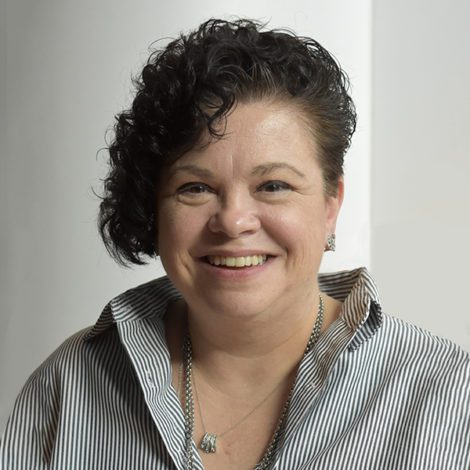

“We have three company values in three words. They are curiosity, courage and care. Curiosity is what drives us to question, explore and innovate. Courage: we talk to courage as showing up as your true self with confidence in heart and – really importantly – even when the road ahead is uncertain. And finally, care is part of everything we do. It's how we treat each other. It's how we approach our work. It's how we connect with our partners and the world.”
Managing Director, Hearst Networks EMEA
Contact us to apply to join DWG as a member and become part of a community of more than 900 digital workplace and intranet leaders and practitioners.
Apply for membershipBook a free one-to-one consultation to review the current state of your digital workplace and discover how DWG expert guidance can help you move forward with confidence.